Harper Zimmermann · 2 September 2026
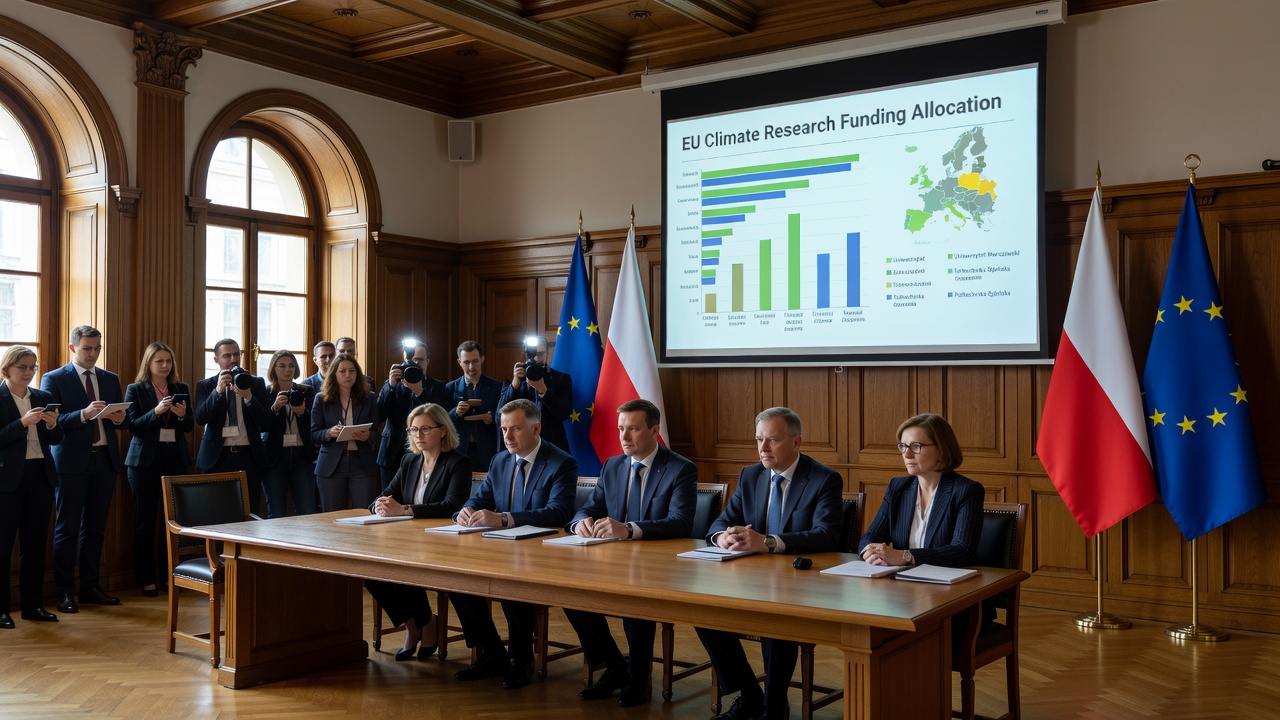
Polish universities have secured substantial funding from the European Union to support advanced climate studies. The new grants, distributed through the Horizon Europe framework, total approximately 52 million euros and involve multiple institutions across the country. These awards aim to strengthen research on environmental challenges including greenhouse gas emissions, ecosystem resilience, and renewable energy integration.
Participating Institutions and Research Focus
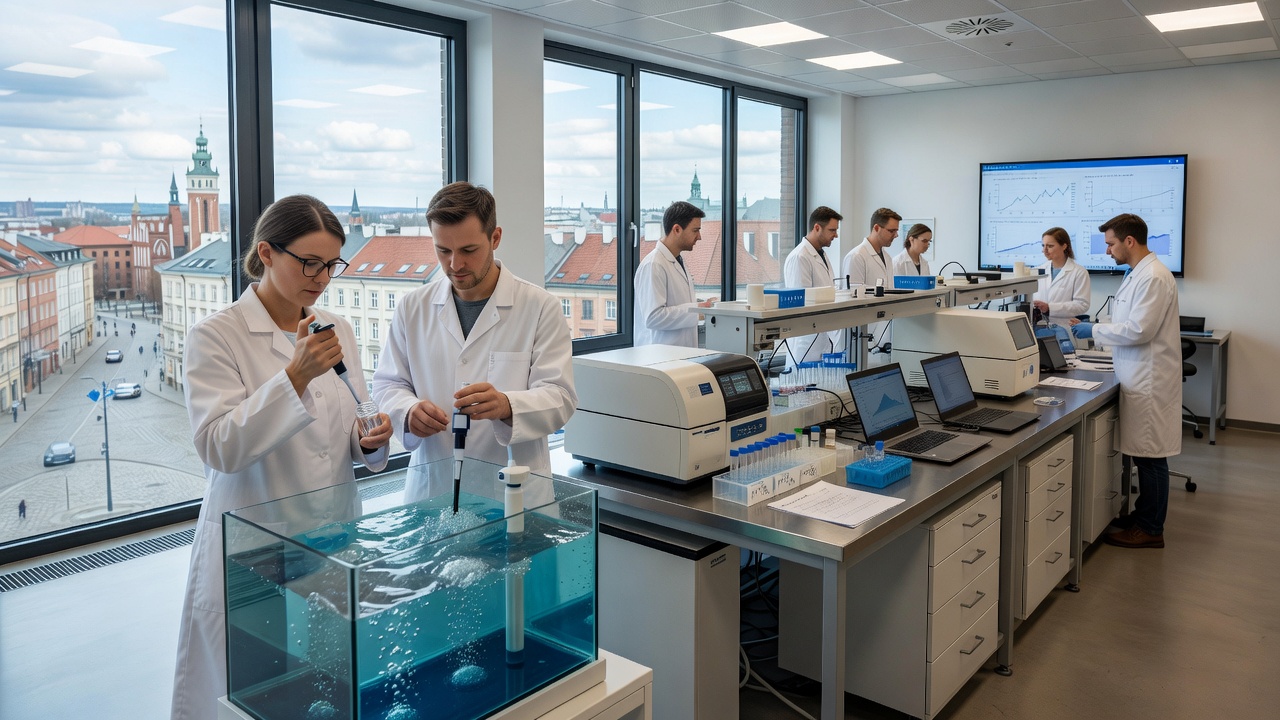
The University of Warsaw leads a consortium examining carbon sequestration methods in Polish forests and agricultural lands. Jagiellonian University in Kraków focuses on urban heat island effects and adaptation strategies for cities. Wrocław University of Science and Technology investigates next-generation solar and wind technologies suited to Central European conditions. Each project includes international partners from Germany, Sweden, and the Netherlands, ensuring cross-border data sharing and methodological alignment. Researchers will employ satellite monitoring, field experiments, and computational modeling over the next four years. Early career scientists receive dedicated training programs to build long-term capacity in climate science.
Additional funding supports studies at the University of Gdańsk on Baltic Sea acidification and its impact on marine biodiversity. Teams will collect longitudinal datasets to inform EU policy on marine protection. All projects require open-access publication of results and regular progress reports to the European Commission.
Broader Implications for Research and Policy
The grants enhance Poland's position within the European research landscape and align with national priorities for sustainable development. Outcomes are expected to contribute directly to the EU Green Deal targets for 2030 and 2050. Universities will collaborate with government agencies and industry to translate findings into practical recommendations on emission reductions and climate adaptation measures. This funding round follows previous successful Polish applications and signals growing recognition of domestic expertise in environmental research. Continued investment may attract further international partnerships and support infrastructure upgrades at participating institutions.