Yves Krause · 28 September 2026
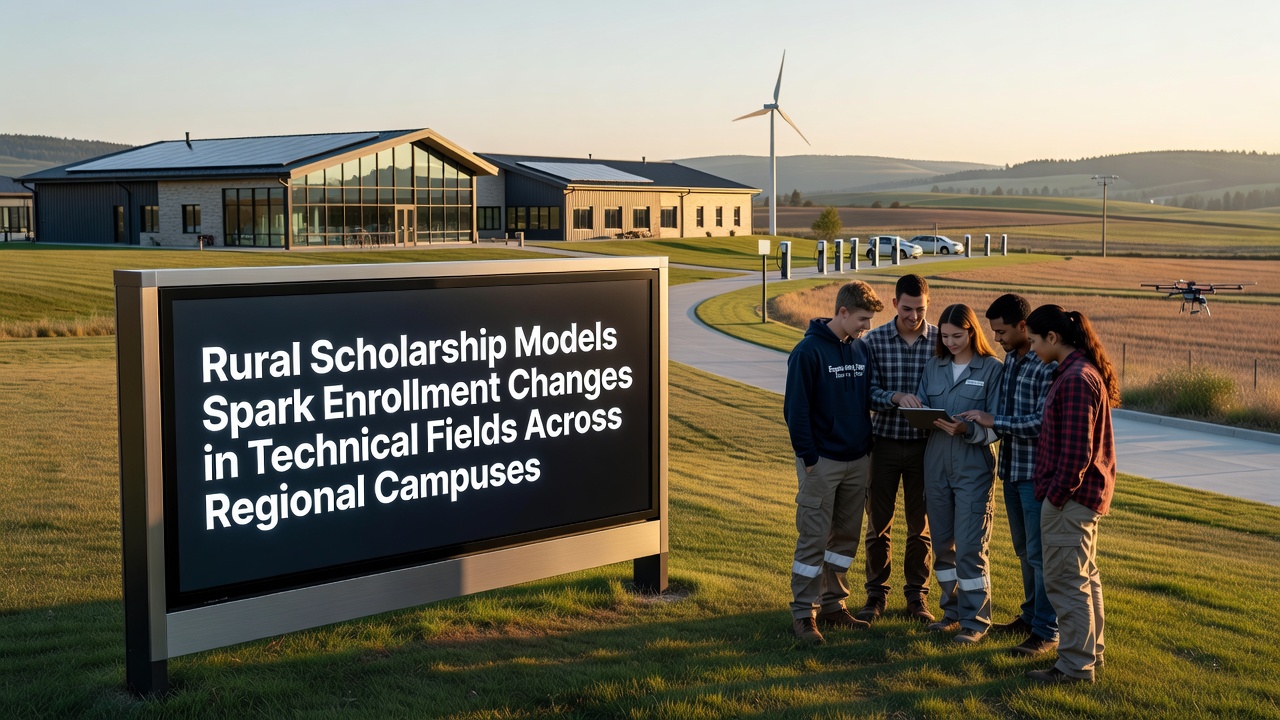
Rural Scholarship Models Spark Enrollment Changes in Technical Fields Across Regional Campuses
Scholarship programs designed specifically for students from rural communities have begun reshaping enrollment patterns in technical fields at regional campuses, with data from multiple education agencies showing measurable shifts since the programs expanded in scope. These models typically combine financial support with targeted recruitment, and they direct resources toward disciplines such as engineering, information technology, and agricultural sciences that align with local workforce needs. Regional campuses report higher application volumes in these areas, while urban institutions note steadier but less accelerated growth in the same fields.
Core Elements of Rural Scholarship Structures
Programs in this category often require recipients to maintain residency ties to designated rural districts, and they pair funding with mentoring from faculty at nearby campuses. Researchers tracking outcomes have noted that eligibility criteria frequently include commitments to complete internships with regional employers, which creates direct pathways into technical roles after graduation. According to figures released by the National Center for Education Statistics, participating campuses recorded a 14 percent rise in first-year technical enrollment between 2023 and 2025, whereas non-participating sites experienced only modest single-digit increases.
Funding streams draw from both state allocations and private foundations, yet administrators emphasize that the models differ from traditional aid by incorporating geographic and career-specific conditions. Observers note that these conditions help align student choices with projected labor shortages in rural economies, particularly in precision agriculture technology and renewable energy systems.
Enrollment Shifts Across Technical Disciplines
Technical fields have seen the most pronounced changes because rural scholarship criteria prioritize STEM pathways that match regional industries. Engineering programs at several mid-sized campuses documented enrollment jumps exceeding 20 percent in mechanical and electrical tracks during the most recent admissions cycle. Information technology departments reported similar patterns, with incoming cohorts including larger shares of students from counties previously underrepresented in higher education statistics.
One study released by the OECD Directorate for Education and Skills tracked cohorts across comparable institutions and found that scholarship recipients completed technical degrees at rates 8 percentage points above the institutional average. The data further indicated that retention improved when programs included summer bridge courses and peer support networks based at the regional sites themselves.
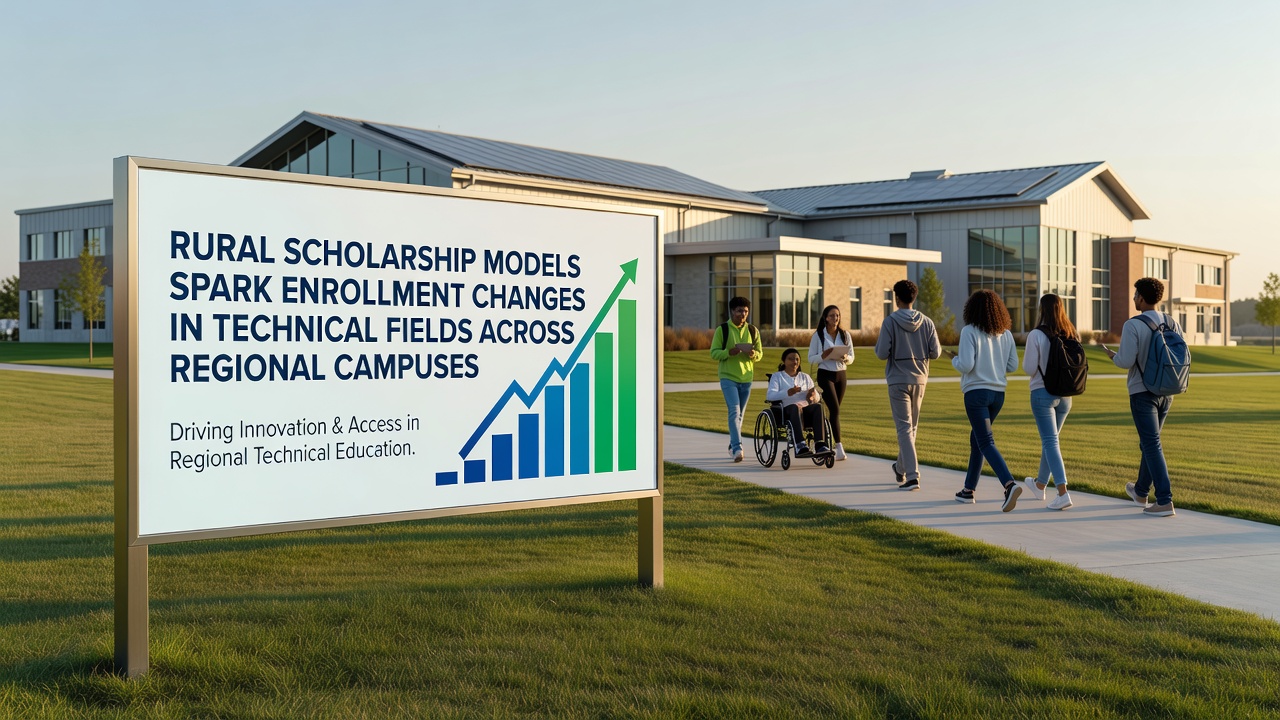
Regional Campus Adaptations and September 2026 Outlook
Campus leaders have adjusted course offerings and advising structures to accommodate the incoming cohorts, and several institutions plan to open dedicated technical labs by September 2026. These facilities aim to support expanded cohorts in cybersecurity and data analytics, fields that scholarship guidelines now explicitly encourage. Enrollment management reports suggest that applications for fall 2026 technical programs already exceed prior-year totals by double digits at campuses implementing the newest scholarship tiers.
Partnerships with local employers have grown in parallel, supplying equipment donations and co-op placements that reduce the net cost of attendance for recipients. Data compiled by state higher education boards shows that technical program completion rates at these sites have risen steadily, with the largest gains appearing in programs that integrated scholarship requirements with hands-on regional projects.
Comparative Data from Multiple Jurisdictions
Analyses covering both North American and European regional institutions reveal consistent trends, although the magnitude of enrollment change varies with program scale. Canadian provincial reports highlight parallel increases in rural student participation in engineering technology tracks, while Australian regional universities document rising numbers in information systems degrees tied to similar aid structures. The common thread across these cases remains the linkage between geographic eligibility and technical major selection, which produces measurable redistribution of student populations away from exclusively urban enrollment patterns.
Conclusion
Evidence gathered from enrollment databases and program evaluations indicates that rural scholarship models continue to influence technical field distributions at regional campuses, with further adjustments anticipated as new facilities and partnerships activate in September 2026. Continued monitoring by education agencies will clarify the long-term distribution effects across different technical disciplines and geographic zones.